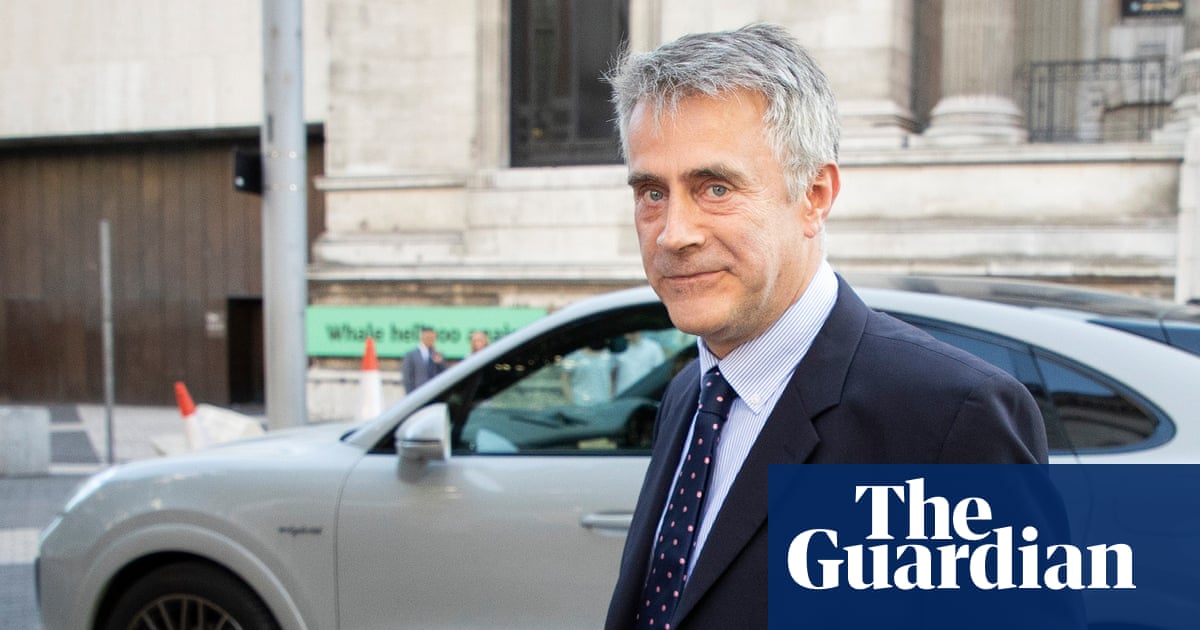
Nigel Farage’s Reform UK party has received a £9m donation from Christopher Harborne, a leading cryptocurrency, defence and aviation-fuel investor who previously bankrolled the Brexit party.
Harborne gave the record donation to Reform over the summer in a boost to the party’s finances before its autumn conference.
This year Reform became the first political party to accept donations in crypto but the £9m was made in cash rather than digital currency.
Harborne, who has a low profile and describes himself as intensely private, was previously one of the single biggest donors in politics when he gave more than £10m in tranches to Farage’s Brexit party to fund its 2019 election campaign.
He subsequently donated £1m to the office of Boris Johnson after the former prime minister left Downing Street and accompanied him on a trip to Ukraine.
In January, Farage accepted £28,000 from Harborne to attend Donald Trump’s inauguration.
Harborne, who began his career as a management consultant, lived in Thailand for about 20 years, where he is also known under the Thai name of Chakrit Sakunkrit. He has a stake in the defence tech firm Qinetiq, as well as AML Global, an aviation-fuel producer.
The donation from Harborne was revealed in the latest publication of data from the Electoral Commission. It showed that, overall, Reform received more than £10m, the Conservatives almost £7m and Labour about £2.5m.
Ministers are considering whether to ban crypto donations because it is difficult to track the provenance.
after newsletter promotion
Jackie Killeen, the director of regulation at the Electoral Commission, said: “The UK political finance system has high levels of transparency, and we know that voters are interested in where parties get their money from. This quarterly publication is an important part of delivering this information for voters. However, we know there are parts of the system that need strengthening, and we have been calling for changes to the law for some time.
“The UK government’s proposed reforms to the political finance regime have the potential to improve the strength of donation controls and help ensure voters can have confidence in the political finance system. We will continue to work with the government so that any changes are evidence based and workable in practice.”